What is Period Poverty?
Period poverty is a hidden dimension of poverty that overlaps with other aspects of poverty such as food and fuel poverty. If you haven’t got enough money for food or fuel, you are also likely not to have enough money to afford period products.
Why Period Poverty Matters
Approx. 2.8 million people (1 in 5 people) in the UK struggle to afford period products (Action Aid). Mothers in particular regularly practise maternal altruism or self-sacrifice to ensure their children are fed, often going without food and going without pads/tampons when they have their period.
A lack of effective period protection causes those experiencing period poverty to feel embarrassment, discomfort, indignity, humiliation and shame, resulting in self-exclusion from school, work and other social activities.
Period poverty is constraining the lives of women, girls and menstruators through significantly limiting social participation and disrupting school attendance.
We focus on trying to eradicate period poverty because in a society structurally divided by gender, class and ethnicity, this type of poverty not only reinforces these inequalities, but also reproduces them.
We Believe That
No-one should have to compromise on living their lives to the fullest because they can’t afford these essential items.
No-one should be in a situation where they are forced to choose whether they buy food to feed their families, or buy period products.
All menstruators deserve to have their periods with dignity.
This approach ensures people receive practical support and education alongside the products themselves.
What You Can Do To Help
Talk about periods to de-stigmatise and normalise them.
Campaign against period poverty – email your local MP to highlight this issue and ask them what their party’s policies are for eradicating poverty.
Find out what is being done to address this issue in your area/workplace/school/college/university – encourage them to become period dignity spaces.
Follow and support local charities/groups like ours and others signposted on this site.
Help End Period Poverty
Your donation can provide free essential products to those in need.
£10
Will support up to 40 women and girls for 1 month.
£25
Can stock a community group for 2 months.
Need Period Products?
If you are struggling to afford period products, we can help.
Partner With Us
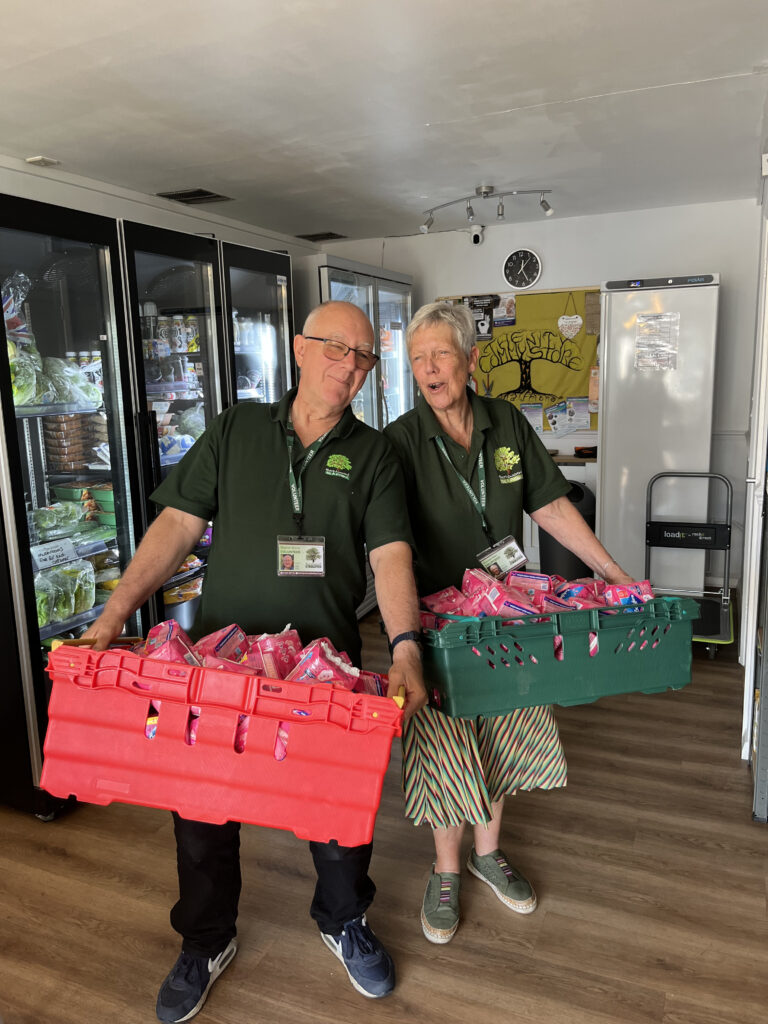
We work with schools, food banks, charities and community groups to ensure menstrual products reach people who need them most.